
Pool Cage Rescreening in Riverview, FL
We rescreen pool cages and lanais for Riverview homeowners, replacing worn or storm-damaged panels with screen suited to Florida sun and humidity.
- Free Written Estimate
- Fast Scheduling
- Built for Florida Weather
- Licensed & Insured
- BBB A+ Rated
- 150,000+ Customers Served
- 283+ 5-Star Reviews
Request Your Free Estimate
Request a free rescreening estimate for your Riverview pool cage.
- Free No-Obligation Estimate
- Fast Response Times
- No Pressure Consultation
Riverview sits in a part of Hillsborough County that gets strong, direct sun most of the year along with frequent summer thunderstorms and seasonal tropical weather. Screen panels on pool cages take the brunt of this exposure, and UV breakdown, wind-driven debris, and tree pollen near wooded lots in communities like Panther Trace or Triple Creek all shorten screen life faster than homeowners expect.
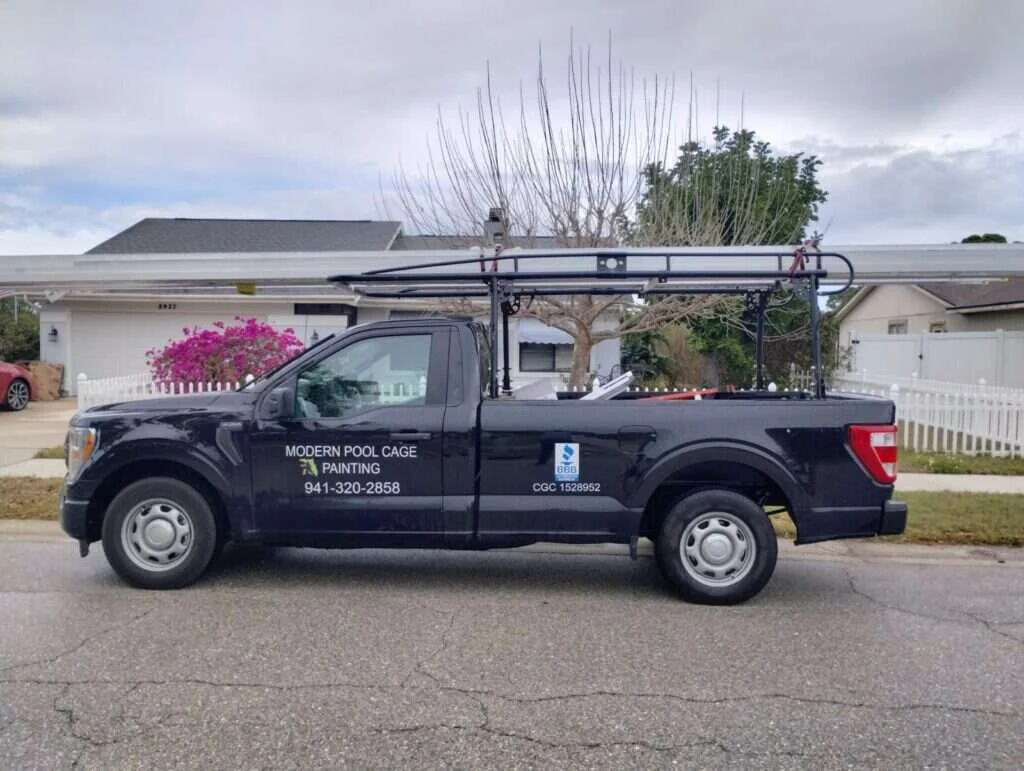
Modern Pool Cage Painting has worked on cages across Riverview, from older enclosures near Boyette to newer construction in South Fork and Summerfield. Our rescreening work addresses torn, sagging, or discolored panels and checks the surrounding aluminum frame for loose fasteners or corrosion before new screen goes in, so the repair holds up rather than just covering a symptom.
Sun, Storms, and Riverview Screen Wear
Pool screens in Riverview spend most of the year under intense UV exposure, and that steady sun breaks down the fibers in standard screen mesh long before the aluminum frame shows any wear. You’ll often see fading first, followed by a brittleness that makes the screen crack or tear with minimal pressure, sometimes from nothing more than a gust or a dropped branch.
Afternoon thunderstorms common from June through September add wind-driven rain and debris that stress panels already weakened by sun exposure. Homes near wooded lots or retention areas tend to collect pollen, leaves, and small twigs against the screen, which traps moisture against the mesh and speeds up deterioration in spots that are hard to see from inside the lanai.
Salt-tinged air moving inland from Tampa Bay and the Gulf coast also plays a role, even this far from the water. Combined with Florida humidity, it can corrode spline channels and fasteners faster than drier climates, which is why rescreening often becomes necessary before a homeowner expects it, sometimes within a decade of the original installation.
How We Rescreen a Lanai, Step by Step
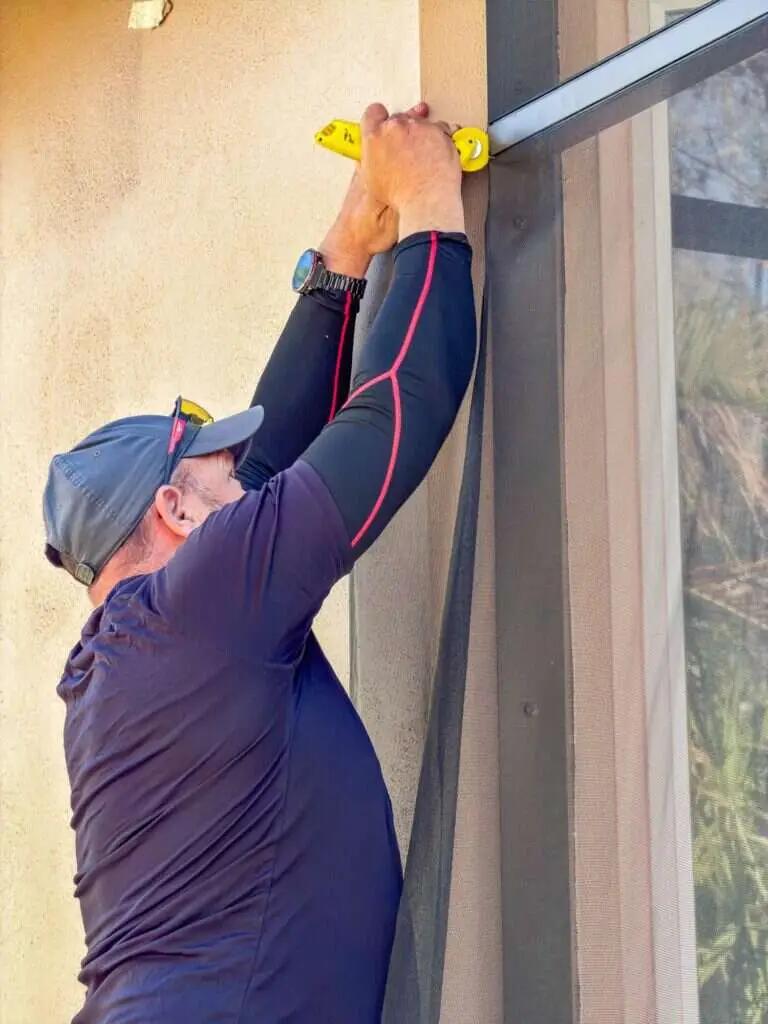
Every rescreening job starts with a full inspection of the cage, not just the torn panels a homeowner noticed. We check each screen section for UV damage, look at spline channels for cracking, and test frame fasteners for corrosion, since loose or rusted screws often cause new screen to fail early if left unaddressed.
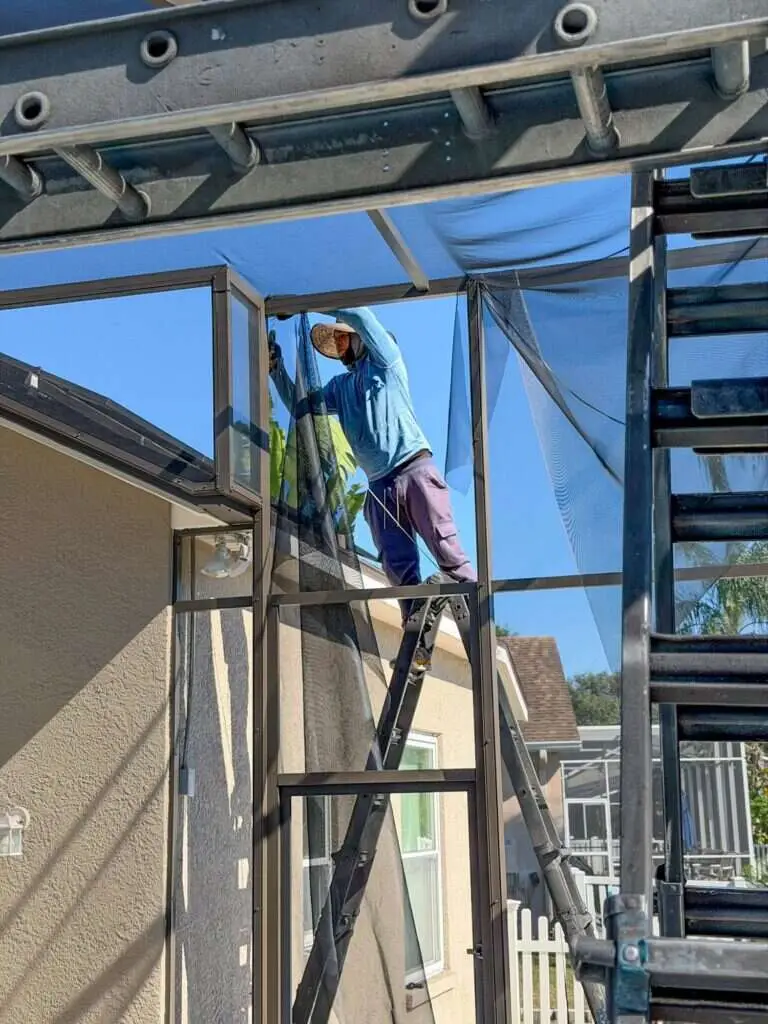
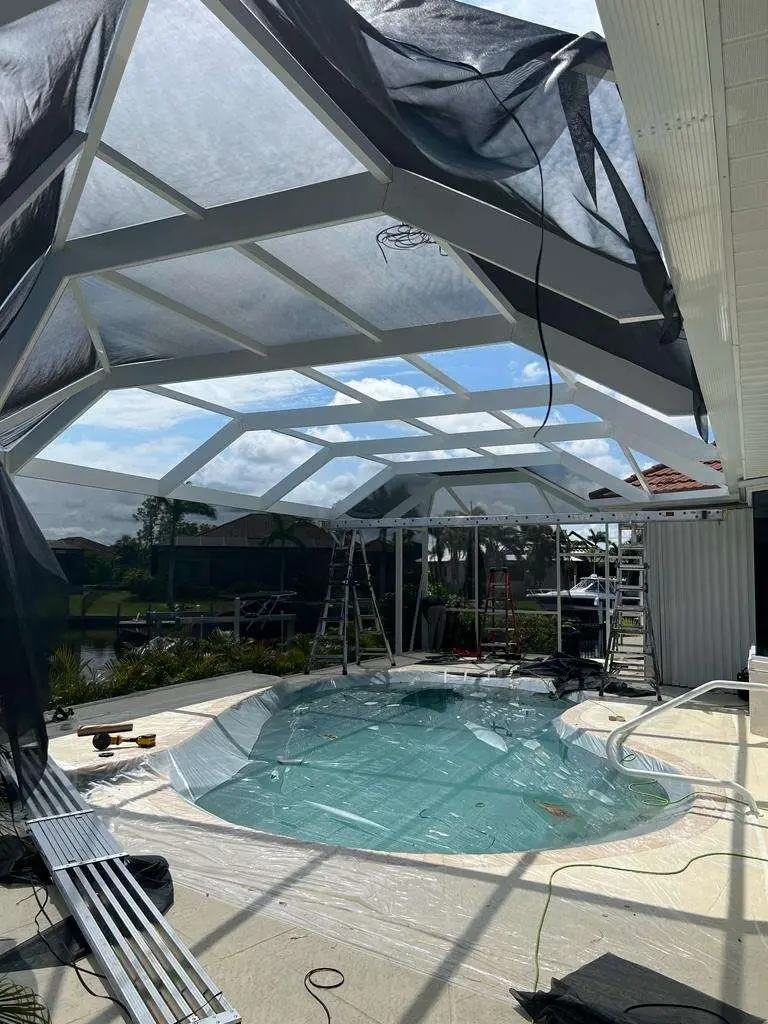
Old screen and spline are removed panel by panel, and the frame channel is cleaned out before new material is set. We work with standard fiberglass mesh or heavier pet-resistant screen depending on the household’s needs, cutting each panel to fit rather than reusing stretched material from the old installation.
Once new screen is rolled into the channel and secured with fresh spline, we recheck tension across the panel and confirm the frame is still square. Any fasteners found loose or corroded during inspection get replaced at this stage, since addressing them during the same visit avoids a separate repair call later.
- Panel-by-panel inspection for UV wear and tears
- Spline channel cleaning and fastener check
- Mesh options including standard and pet-resistant screen
- Tension and frame alignment check after installation
Scheduling, Access, and HOA Approval
Most rescreening jobs in Riverview communities like South Fork, Panther Trace, and Fish Hawk Trails require a straightforward look at your HOA’s architectural guidelines before work begins, particularly around screen color and frame finish. We can review your community’s rules and submit for approval if needed, which typically adds a few days to the front end of scheduling rather than the work itself.
Access to the pool area matters more than most homeowners expect. We need a clear path through the yard or a gate wide enough for ladders and screen rolls, and pets or pool furniture moved out of the enclosure before the crew arrives. Florida’s afternoon storm pattern, especially from June through September, can push a job back a day or two, and we build that into the schedule rather than rushing a crew onto wet aluminum.
Why Partial Patch Jobs Often Fail
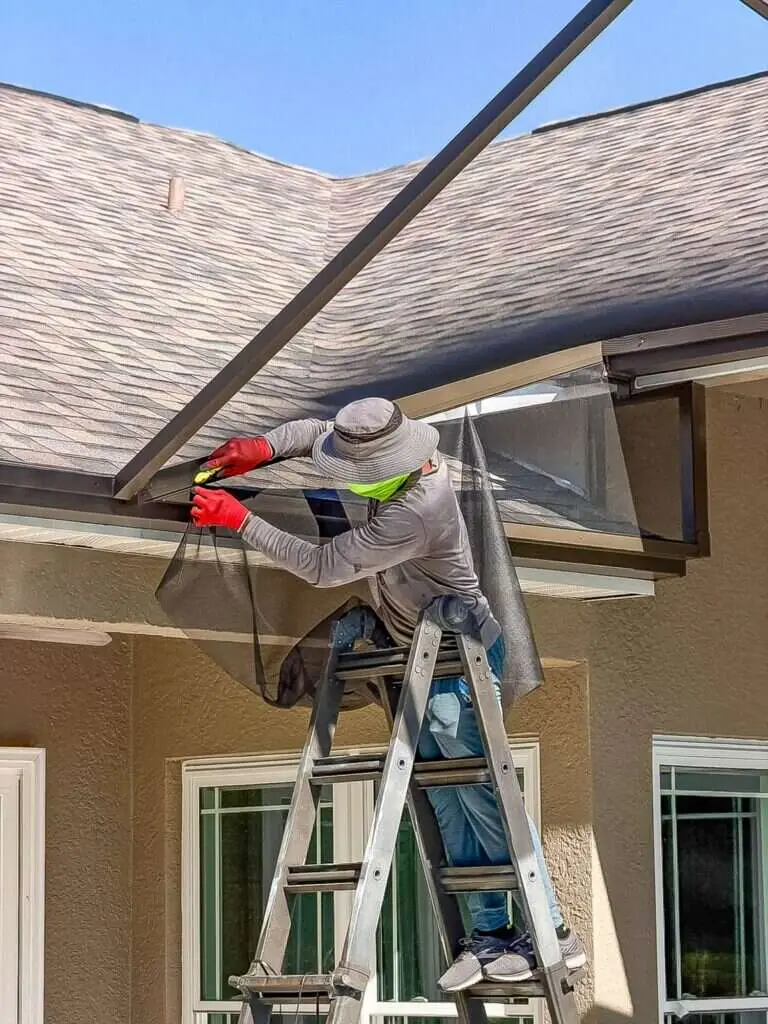
A common shortcut is patching only the torn or sagging panels and leaving the rest of the screen alone. The problem is that screen material degrades at roughly the same rate across the whole cage, since it faces the same sun and salt air whether it is near Apollo Beach or further inland near Lutz. Patched sections stand out visually and often fail again within a year or two, because the surrounding screen is just as brittle, only not torn yet.
Mismatched screen density is another issue we see on patch jobs done by handymen or previous contractors. Mixing an 18×14 standard screen with a stray panel of pet screen or no-see-um mesh changes airflow and visibility unevenly across the cage, and it is noticeable from inside the lanai. Full-panel rescreening, done one section at a time with consistent material, holds up longer and keeps the whole enclosure looking uniform, which matters whether you are doing a full riverview patio screen replacement or addressing lanai screen repair in Riverview FL after a storm.
Process and Timeline
- We inspect the full cage and provide a written estimate with no obligation.
- Once approved, we confirm screen type, density, and color with you, including HOA-compliant options if required.
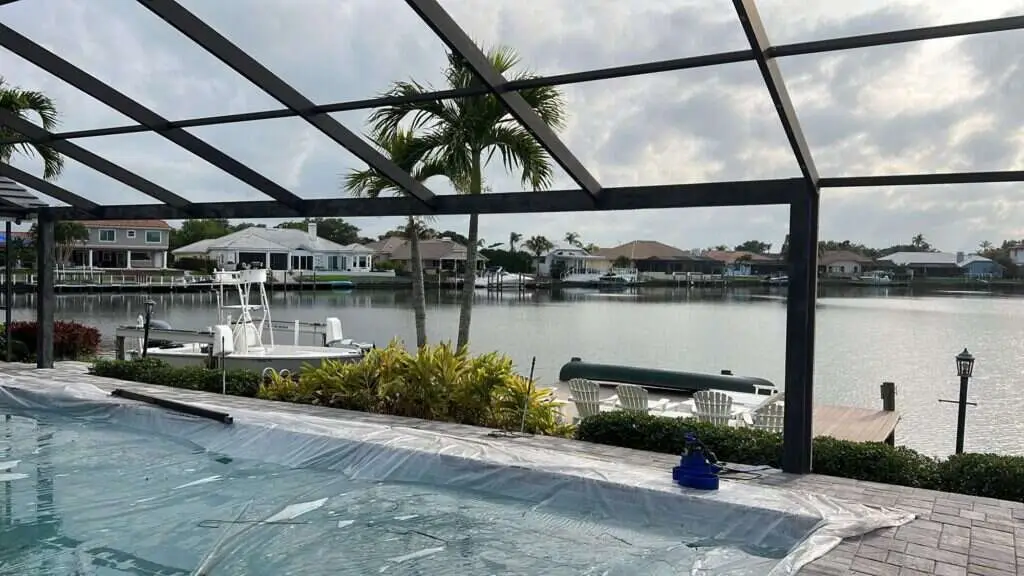
- We remove the old screen and spline from each panel being replaced.
- New screen is cut, stretched, and secured with fresh spline to match the frame dimensions.
- We clean up all screen debris and old spline material before walking the cage with you.
- A final check confirms panels are taut and door hardware operates correctly.
Most Riverview rescreening projects take one to three days depending on cage size and panel count, not counting any HOA approval wait time.
Riverview Pool Cage Rescreening FAQ
How long does pool cage rescreening take in Riverview?
Most residential cages take one to three days depending on the number of panels and the height of the enclosure. Two-story lanais or cages with custom door frames can take a bit longer, especially if we are scheduling around afternoon thunderstorms.
Do you match the screen mesh to what my HOA requires?
Yes, many Riverview communities specify a mesh color or density in their deed restrictions, and we check that before ordering material. If your HOA requires a particular manufacturer or spec sheet for approval, we can provide that documentation along with the written estimate.
Can you rescreen just a few damaged panels instead of the whole cage?
Yes, spot repairs are common, especially after a storm tears loose a panel or two near the roofline. We will inspect the rest of the frame while we are there, since one weak panel sometimes points to a stretched or corroded spline track nearby.
What type of screen holds up best against Florida sun and storms?
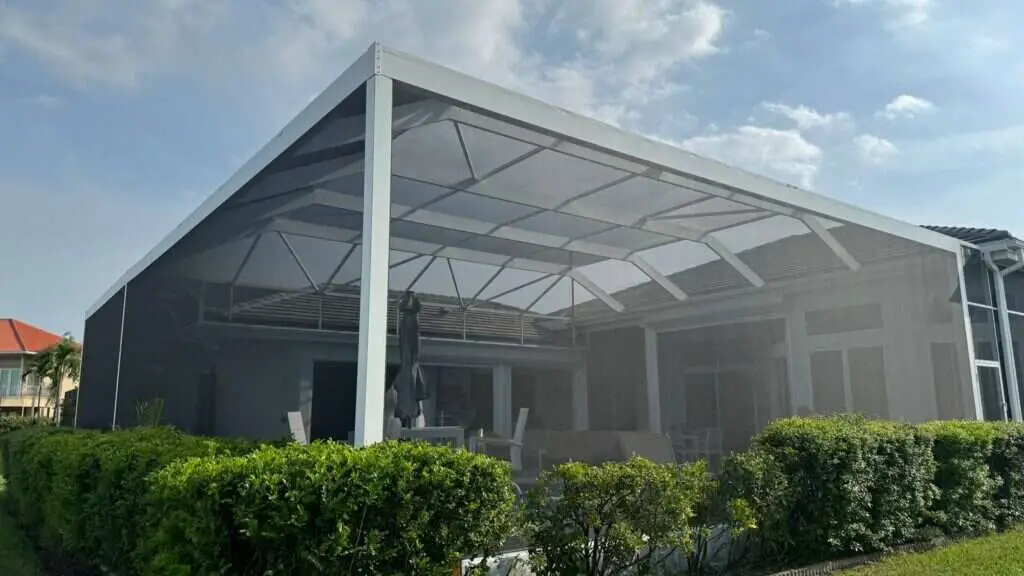
Charcoal or black fiberglass mesh is the most common choice for Riverview pool cages because it resists UV breakdown and keeps a clear pool view. For households wanting stronger wind and debris resistance, a heavier gauge pet-resistant or storm-rated screen is available, and we can go over the tradeoffs during the estimate.
Will rescreening fix sagging or bowed panels on an older cage?
New screen alone will not correct a bowed panel if the underlying aluminum frame or roof beam has shifted. In that case we address the frame first, since the salt air and humidity common in this part of Hillsborough County can accelerate corrosion at the fasteners and joints.
Do I need to be home during the rescreening work?
No, most Riverview homeowners are not home for the full job as long as we have pool and yard access arranged beforehand. We do ask that someone be reachable by phone in case we find frame damage that changes the scope once panels are opened up.
More Pool Cage Services in Riverview
Beyond re-screening, Riverview homeowners also call on us for pool cage painting to refresh faded or chalking aluminum frames. Pool Cage Painting.
Nearby Areas We Also Serve
Crews based out of Riverview also take on lanai screen repair and re-screening calls throughout the surrounding Hillsborough and Pasco County communities. Tampa, Brandon, Bradenton, Sarasota, Naples and Fort Myers.
Statewide details, colors and the full process are on our main pool cage rescreening page.
Recent Work
Request a Riverview Rescreening Estimate
Send a few photos of the damaged or worn panels along with your Riverview address through the form below, or call (941) 320-2858 to set up a time to look at the cage in person. Either way, what you receive back is a written estimate with no obligation attached.
Last reviewed: October 20, 2026