
Call Or Text Us
Prepare your Florida pool cage for hurricane season with practical inspection, screen, fastener, door, and structural protection steps that can reduce preventable storm damage.
Call or Text Us
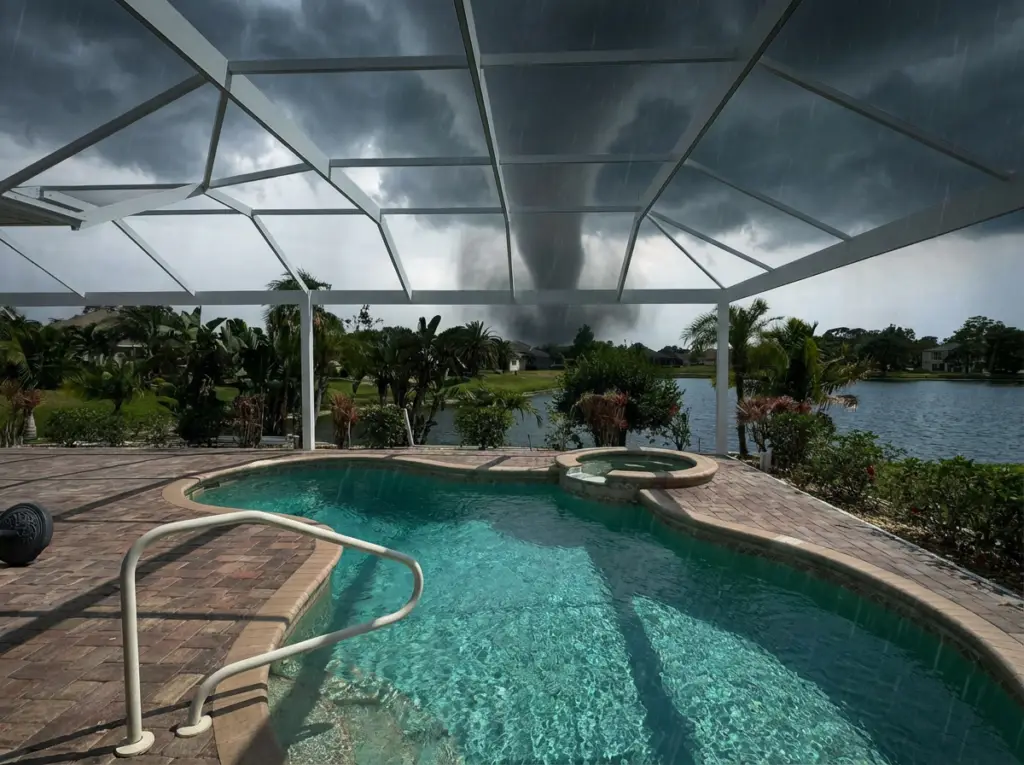
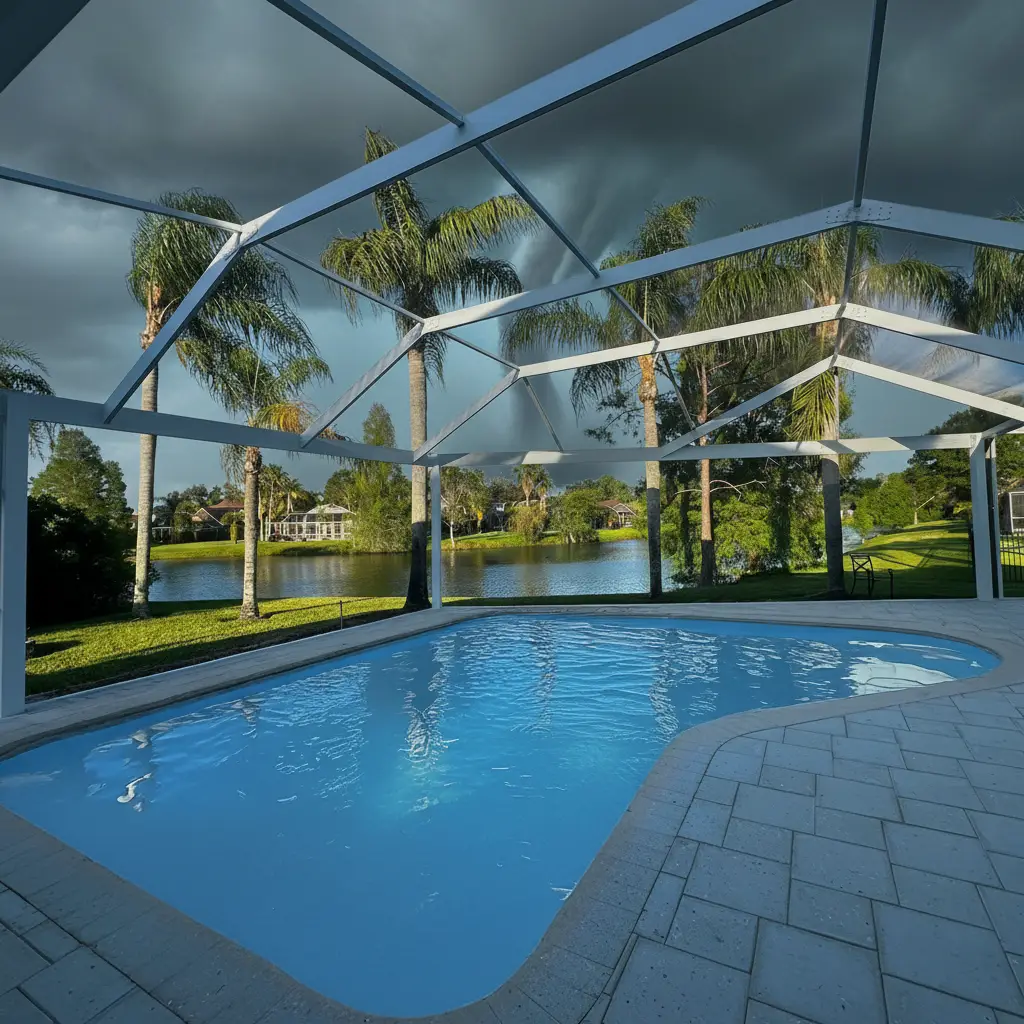
Florida’s hurricane season is often stressful, particularly when it comes to securing outdoor spaces like pool cages and patio enclosures. After all, these structures do more than just enhance your home; they are essential for keeping your pool area free from debris and unwanted critters. Therefore, ensuring they can withstand hurricane-force winds is critical.
Without proper preparation, a pool cage is at risk of significant damage. In severe cases, it could even collapse entirely, resulting in costly repairs or total replacement. However, you don’t have to wait for disaster to strike. Fortunately, there are proactive steps you can take to reinforce your enclosure and prevent catastrophic damage.
To help you prepare, this guide outlines easy-to-follow tips on how to hurricane-proof your pool cage. Furthermore, we’ll address common concerns, such as what to do with aging screens and when it is time to call in a professional.
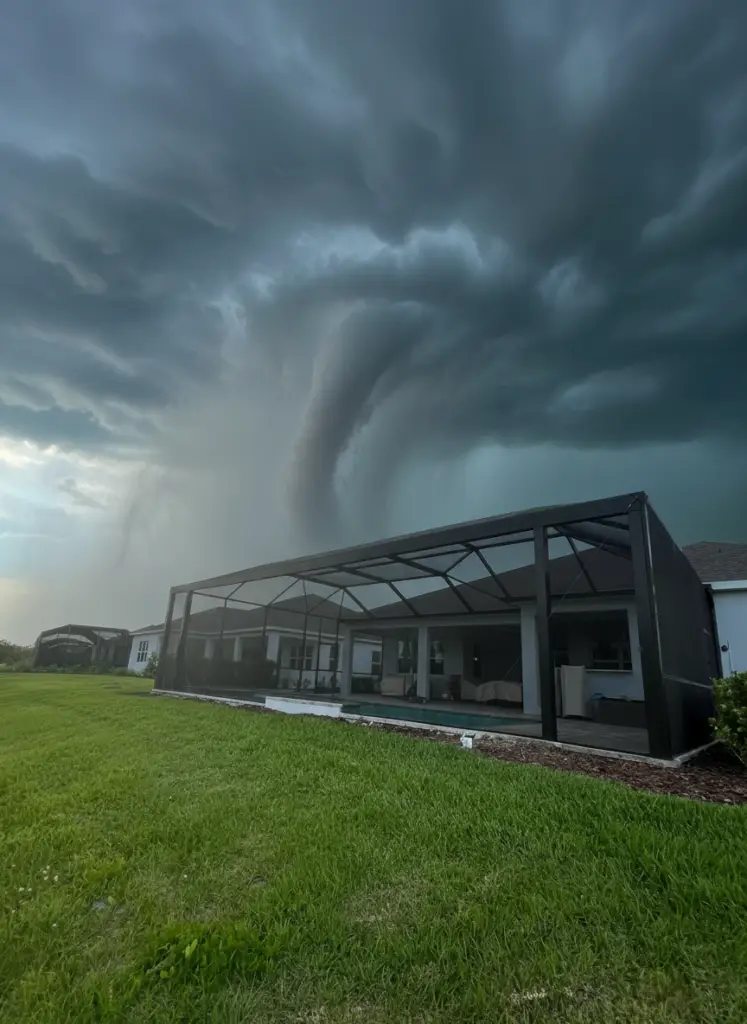
Your pool cage may appear sturdy, yet hurricane-force winds, flying debris, and heavy rain can easily expose hidden structural vulnerabilities. Consequently, inadequate preparation often results in severe damage, ranging from torn screens and bent aluminum frames to complete detachment from the foundation. Ultimately, the effort you invest in securing your pool cage now could save you thousands in repairs later.
The first step in hurricane preparation is to identify potential weak points in your pool cage structure. To do this effectively, walk around your enclosure and specifically look for the following issues:
If your screen is brittle enough that you can poke a finger through it, it certainly won’t stand up against hurricane winds. Consequently, be sure to replace any damaged or worn-out screening materials before the storm season begins.
First, check all screws and anchors holding the cage to its foundation. Furthermore, stainless steel fasteners are recommended as they resist corrosion and provide greater stability.
Tension cables act as the backbone of any hurricane-resistant pool cage. However, if these components are loose or missing, your structure remains vulnerable. Therefore, you should either tighten the cables immediately or hire a professional to replace them.
Pro Tip: Try moving the outside corner of your cage back and forth. If it shifts noticeably, it’s at risk of collapse during strong winds.
Screens hold more wind than you might anticipate, especially during a storm. Consequently, this pressure can threaten the integrity of your enclosure. To relieve this strain and save your structure, consider creating airflow paths before a hurricane arrives.
Unsecured items around your pool can become dangerous projectiles during a storm. Consequently, these loose objects risk damaging your pool cage and potentially your home.
Sometimes, securing your existing structure simply isn’t enough. In fact, adding reinforcements to your pool cage can make a world of difference during a hurricane.
These straps secure the cage to the foundation, ensuring the structure stays in place even in high winds.
Replace outdated anchors with hurricane-rated options like stainless steel or tapcon screws.
Additional horizontal or diagonal braces can better distribute the stress caused by high winds.
Enhance your space with panoramic views by using 6×6 columns and a 4×8 header. Not only does this upgrade elevate the design, but it also increases structural strength by a factor of 3. Furthermore, Modern Pool Cage is the only licensed company offering a 20+ year warranty. Since we use specialized materials, you can trust us. Therefore, if your pool cage is older or hasn’t been updated in years, professional reinforcement is your most effective solution.
DIY preparation can protect your pool cage. However, professional services provide advanced solutions specifically tailored to your structure’s unique needs.
Modern Pool Cage Painting not only assesses weak points but also replaces worn-out parts. As a result, this ensures your pool cage meets modern hurricane standards.
Replacing brittle or damaged screens is essential for your cage’s effectiveness and longevity.
Modern Pool Cage experts possess the tools and training required to properly secure your cage to its foundation. Furthermore, hiring a restoration specialist is particularly beneficial if your enclosure is outdated or damaged.
Ultimately, you should take steps to protect your investment before the next storm hits.
Preparing your pool cage for hurricanes is not just about surviving storms; ultimately, it’s about safeguarding your investment. With this in mind, here’s a quick recap of the essential steps for hurricane-proofing your pool enclosure:
Don’t wait for the next hurricane warning to take action. Instead, inspect your pool cage today and make the necessary upgrades to ensure it weathers the storm.
Contact stressful, especially when it comes to protecting today to learn more about professional services in screen repair, pool cage installation, and hurricane prep. Together, we can help you protect your outdoor space and maintain peace of mind.
Modern Pool Cage Painting
(941) 320-858 www.modernpoolcagellc.com
#EnclosuresAndClearView #ModernPoolCagePainting #PoolCages #OutdoorLiving
Tell us about your pool cage project. Our Florida team will follow up promptly.
Straightforward answers for Florida homeowners planning pool cage, screen, painting, or enclosure work.
A visual inspection at least twice a year and after major storms can identify loose screens, failing spline, corroded fasteners, door problems, coating damage, and structural movement before repairs become more extensive.
Keep the frame and screens clean, control vegetation, maintain doors and hardware, repair tears promptly, address corrosion early, and use preparation and coating products designed for aluminum and Florida weather.
Check screen panels, doors, anchors, fasteners, roof connections, loose objects, drainage, and nearby branches. A qualified contractor should evaluate structural concerns or significant corrosion.
Tell us about your enclosure, screen, painting, restoration, or construction project. Our Florida team will follow up promptly.