
Pool Cage Rescreening in St. Lucie County, FL
We rescreen pool cages and lanais for homeowners throughout St. Lucie County, matching screen type and frame condition to how each home is used.
- Free Written Estimate
- Fast Scheduling
- Built for Florida Weather
- Licensed & Insured
- BBB A+ Rated
- 150,000+ Customers Served
- 283+ 5-Star Reviews
Request Your Free Estimate
Fill out the form for a free written rescreening estimate.
- Free No-Obligation Estimate
- Fast Response Times
- No Pressure Consultation
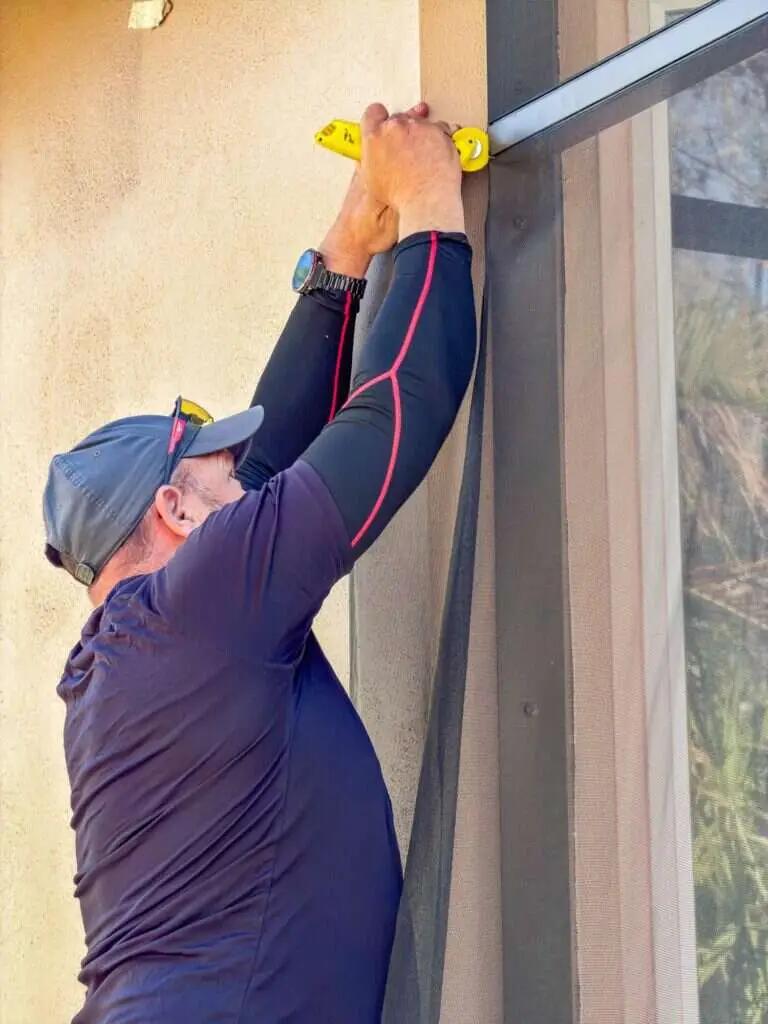
St. Lucie County sits on Florida’s Atlantic coast, with roughly 286,000 residents spread across communities that range from coastal Hutchinson Island South to inland neighborhoods near Tradition and White City. Salt air off the Indian River Lagoon and the ocean accelerates screen fatigue and frame corrosion, especially on enclosures facing east or sitting near canals and preserve lots common in Port St. Lucie subdivisions.
We have worked on cages across St. Lucie County, from older Fort Pierce and Lakewood Park homes with original aluminum frames to newer Tradition enclosures still under their first screen set. Our crews assess mesh condition, spline grooves, and frame fasteners panel by panel before recommending a partial rescreen or a full one, and every estimate is written and itemized before work begins.
Coastal Air and Inland Lots
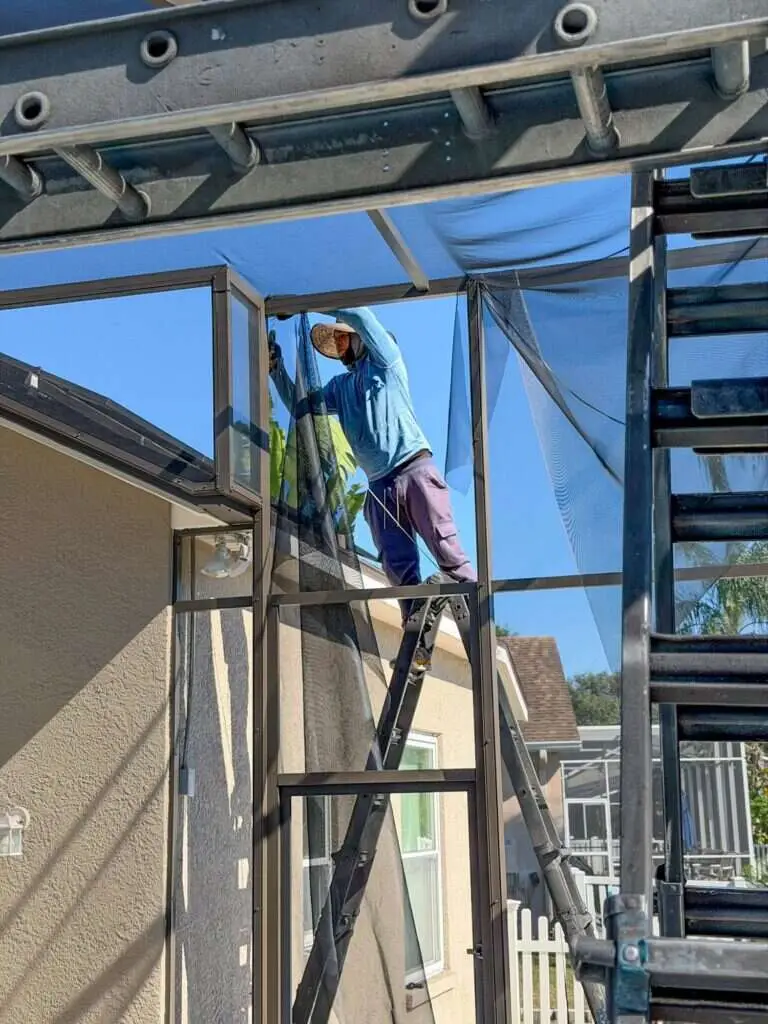
Cages on Hutchinson Island South and along the Indian River in St. Lucie Village sit closest to salt air, and it shows in the screens first: fiberglass mesh turns brittle and discolors faster, while aluminum frames develop surface corrosion at the welds and fastener points within a few years of installation.
Further inland, in Port St. Lucie subdivisions and newer sections of Tradition, cages face a different problem. Lots backing up to retention ponds or preserve areas see heavier pollen, leaf litter, and humidity trapped against the screen, which stretches and sags the mesh even without direct salt exposure.
Fort Pierce and White City properties often fall in between, with mixed wear from both humidity and occasional storm debris. When we walk a cage, we look at orientation, nearby water, and how much direct sun the screen takes each day before recommending a mesh type and rescreening schedule.
How We Rescreen a Cage
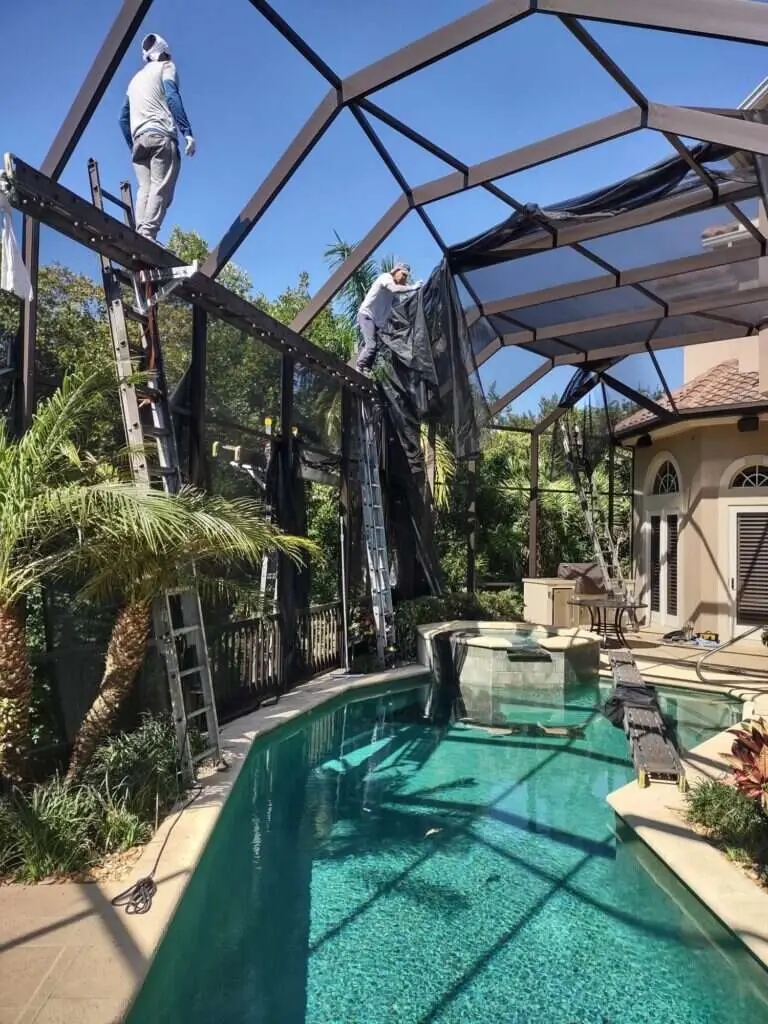
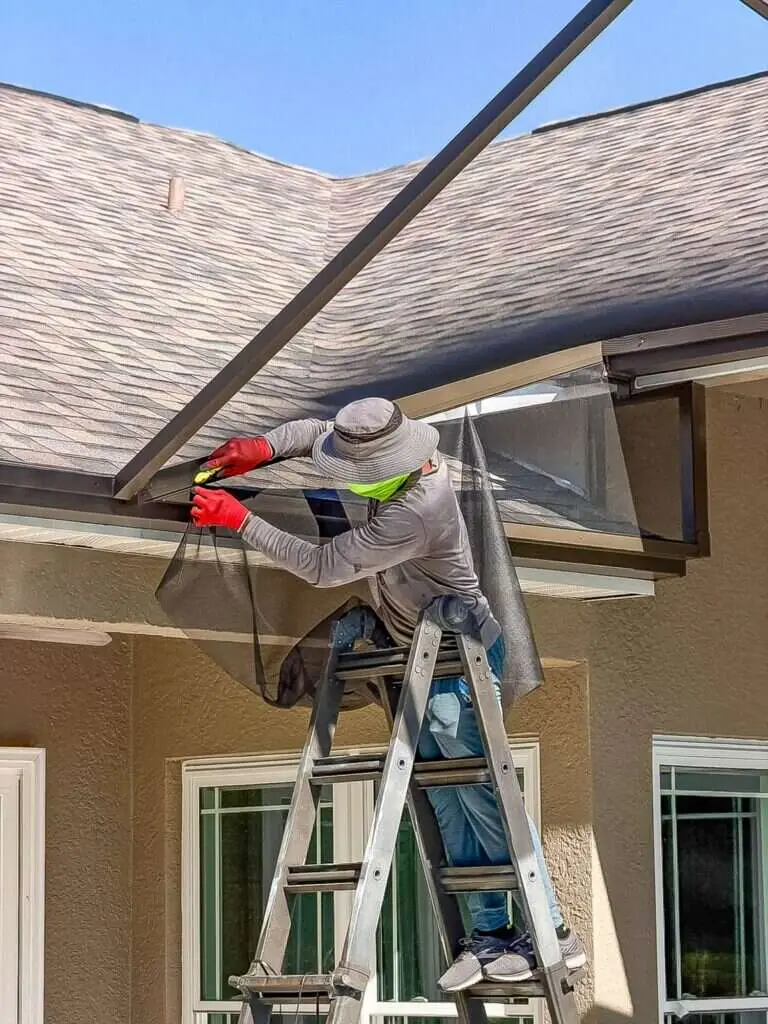
Rescreening starts with removing the old screen and spline from each panel, which lets us inspect the aluminum frame and track underneath for bent channels, rust, or loose fasteners that paint and screen alone would hide. Any damaged spline channel gets cleaned out before new material goes in.
We size and cut new mesh panel by panel rather than using one long roll, so each section is pulled evenly and fastened with fresh spline sized to the track width. This keeps the screen taut without over-stressing the frame, which matters on older cages around Lakewood Park and Indian River Estates where frames have already flexed over time.
Once a panel is set, we trim the excess, check the fit against the frame corners, and move to the next section. On a standard pool cage this process runs about one to three days depending on size and mesh choice, with scheduling adjusted for rain common to Florida’s wet season.
- Remove old screen and spline, inspect frame and tracks
- Clean and repair track channels as needed
- Select mesh: standard, pet-resistant, or solar screen
- Cut and fasten panels individually for even tension
- Final check of spline seating and panel corners
Scheduling, Access, and HOA Rules
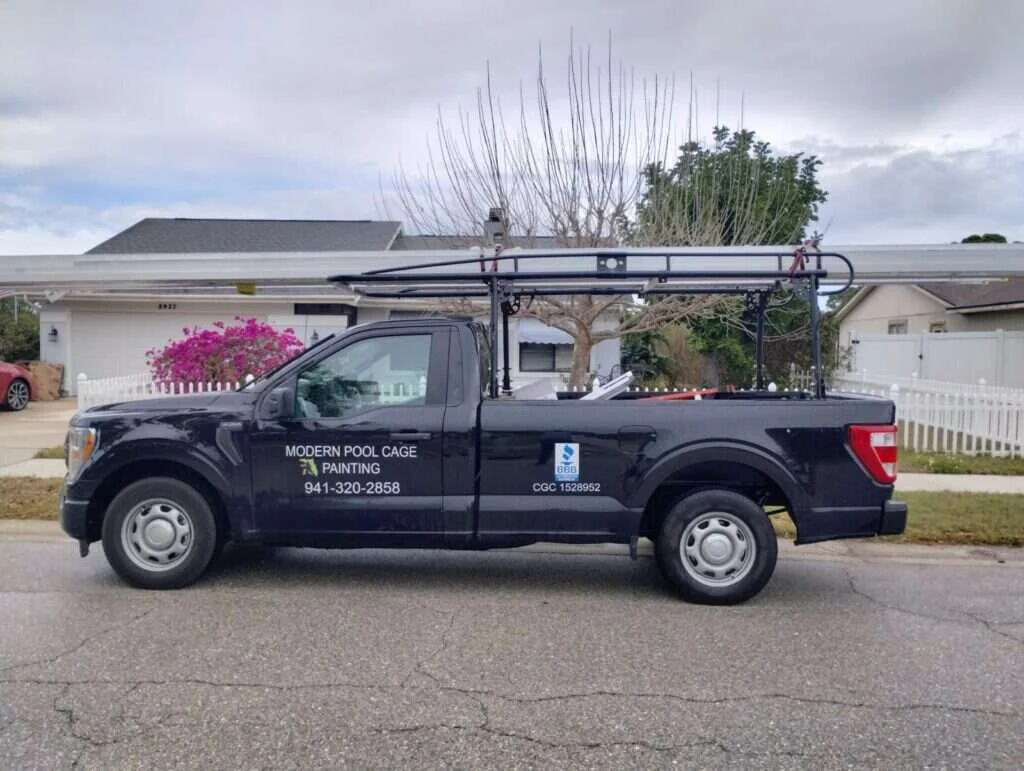
A typical rescreening job on a single-family lanai takes one to two days, depending on the size of the cage and how many panels need new screen versus frame attention. Larger cages in Tradition or two-story screen enclosures near Lakewood Park can run longer, especially if scaffolding is needed to reach upper panels safely.
Crews route through St. Lucie County by scheduling several jobs in the same area on consecutive days, which keeps travel efficient between Port St. Lucie, Fort Pierce, and smaller communities like White City or River Park. We confirm gate codes, pool access, and whether pets or sprinklers need to be managed before the crew arrives.
Many communities in Tradition and other planned developments have architectural guidelines specifying screen mesh color, density, or manufacturer approval for visible street-facing panels. We ask homeowners for a copy of the HOA screening spec, if one exists, before ordering material, which avoids delays or having to special-order a non-standard mesh mid-project.
- One to two days for most residential cages, longer for large or multi-story enclosures
- Gate codes, pool covers, and pet arrangements confirmed before the crew arrives
- HOA mesh color and density specs checked in advance for communities with guidelines
- Routes planned to group nearby St. Lucie County jobs on the same days
Mistakes That Shorten Screen Life
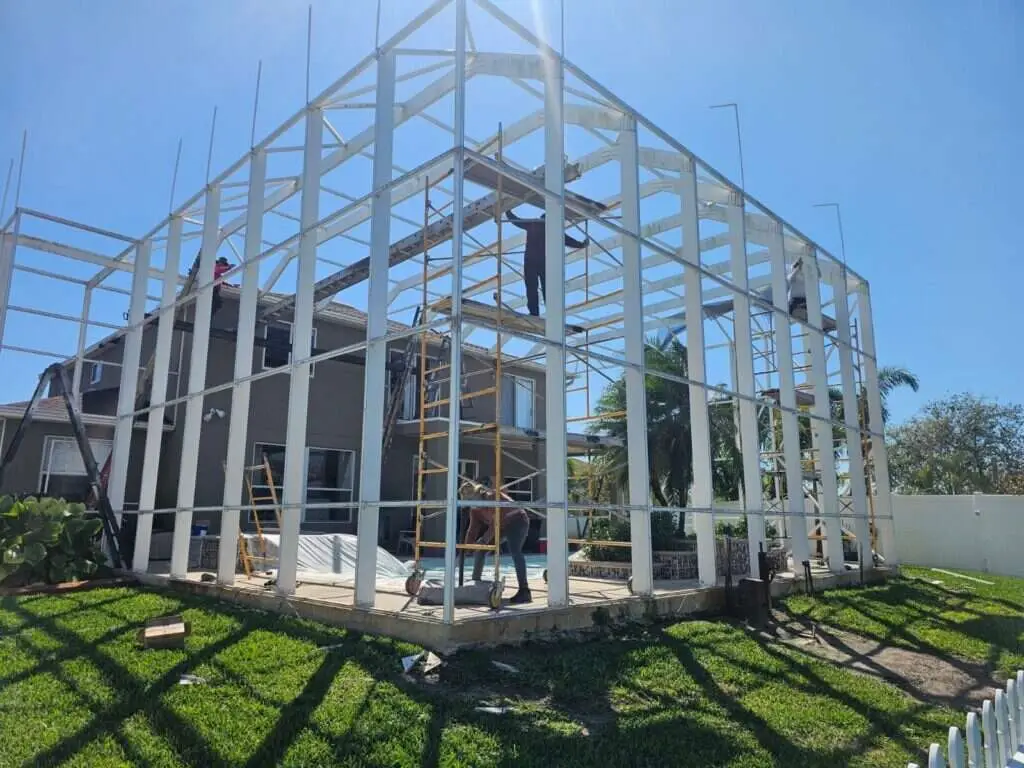
Using a lighter mesh weight than the original screen is one of the more common shortcuts we see, especially on cages near Hutchinson Island South where wind load and salt exposure call for sturdier fiberglass or heavier polyester screen. A mesh that looks fine on installation day can stretch, sag, or tear within a season or two if it was never rated for the site conditions.
Rescreening over a frame that has loose rivets, bent spline track, or corroded fasteners only delays the real problem. New screen pulled taut against a weak frame will work itself loose at the corners first, and on older cages in Indian River Estates or St. Lucie Village, corroded screws are often the actual cause of a ‘screen’ complaint rather than the mesh itself.
Skipping spline replacement is another issue: reusing old, brittle spline to save a step often means the screen pops free within months, particularly after a storm with sustained wind. We replace spline on every panel we rescreen rather than reusing it, since the material cost is minor compared to a repeat visit.
Process and Timeline
- Initial walkthrough to assess frame condition, mesh type, and any HOA screening requirements
- Written estimate provided with mesh options and scope of frame repair, if needed
- Old screen and spline removed panel by panel to expose the frame for inspection
- Loose fasteners, bent track, or corroded hardware repaired before new material is installed
- New screen stretched and secured with fresh spline on every panel
- Final walkthrough to check tension, trim excess material, and confirm gates and pool equipment are undisturbed
Most residential rescreening projects in St. Lucie County are completed in one to two days, with larger or storm-damaged cages sometimes taking longer.
Communities We Serve in St. Lucie County
Pool Cage Rescreening throughout St. Lucie County, including Port St. Lucie, Fort Pierce, Lakewood Park, Indian River Estates, River Park, Hutchinson Island South, White City, St. Lucie Village, Tradition.
St. Lucie County Pool Cage Rescreening FAQ
How often does a pool cage need to be rescreened in St. Lucie County?
Most screens in this county hold up for somewhere in the range of 8 to 12 years before UV exposure and salt air off the Atlantic coast make the mesh brittle. Homes nearer the water, such as those on Hutchinson Island South, tend to see screens degrade faster than enclosures further inland around Tradition or White City.
Will you match the existing screen density and color on my enclosure?
Yes, we identify the current mesh density, typically standard or no-see-um weave, and color before ordering material so the rescreened panels look consistent with the rest of the cage. If the original screen is no longer available, we will show you the closest comparable option during the estimate.
Can you rescreen just the damaged panels instead of the whole cage?
In many cases panel-by-panel rescreening is a practical option, especially if the frame is sound and only certain sections have torn or sagged. We will point out during the inspection if partial rescreening makes sense or if uneven aging means the whole cage should be done at once for a consistent look.
Does my HOA in communities like Tradition or Port St. Lucie need to approve the screen type?
Many planned communities in St. Lucie County, including Tradition and sections of Port St. Lucie, have architectural guidelines covering screen color and mesh type. We can provide spec sheets for your HOA application, but confirming approval before work begins is the homeowner's responsibility.
How long does a full pool cage rescreen usually take?
A typical full rescreen takes one to three days depending on the size of the enclosure and the number of panels, with larger cages over a pool and extended lanai area on the longer end. Weather, particularly summer storms common along this part of the coast, can add a day if work needs to pause.
Do I need to drain or cover the pool during the rescreening work?
No draining is necessary, and the pool can typically stay open or in use between work sessions. We take care to keep debris and old screen material out of the water as panels are removed and replaced.
More Pool Cage Services in St. Lucie County
Beyond rescreening, the same crews handle seamless gutters, exterior house painting, and pressure washing for homeowners across St. Lucie County. Seamless Gutters, Exterior House Painting and Pressure Washing.
Nearby Areas We Also Serve
Crews routing through St. Lucie County also pick up work in neighboring Martin and Indian River County communities along the same coastal corridor. Indian River County, Orange County and Polk County.
Statewide details, colors and the full process are on our main pool cage rescreening page.
Recent Work
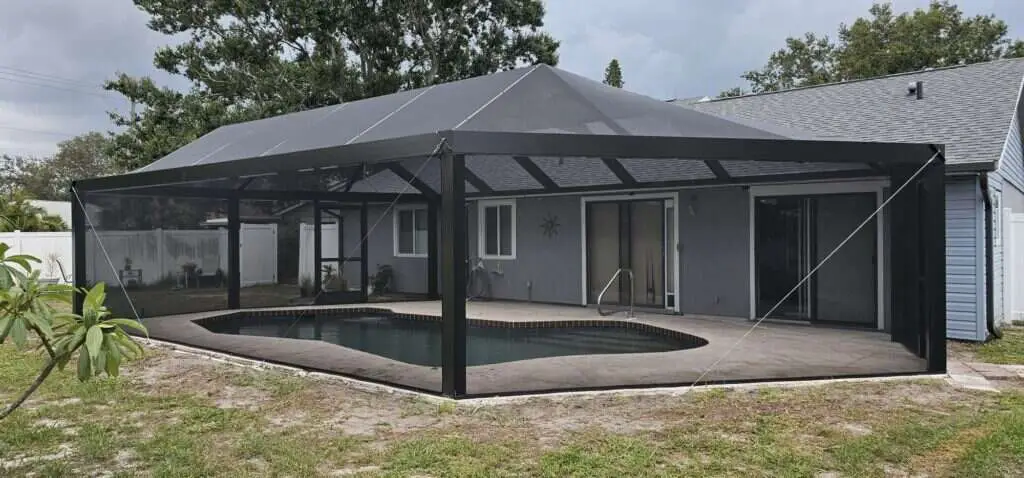
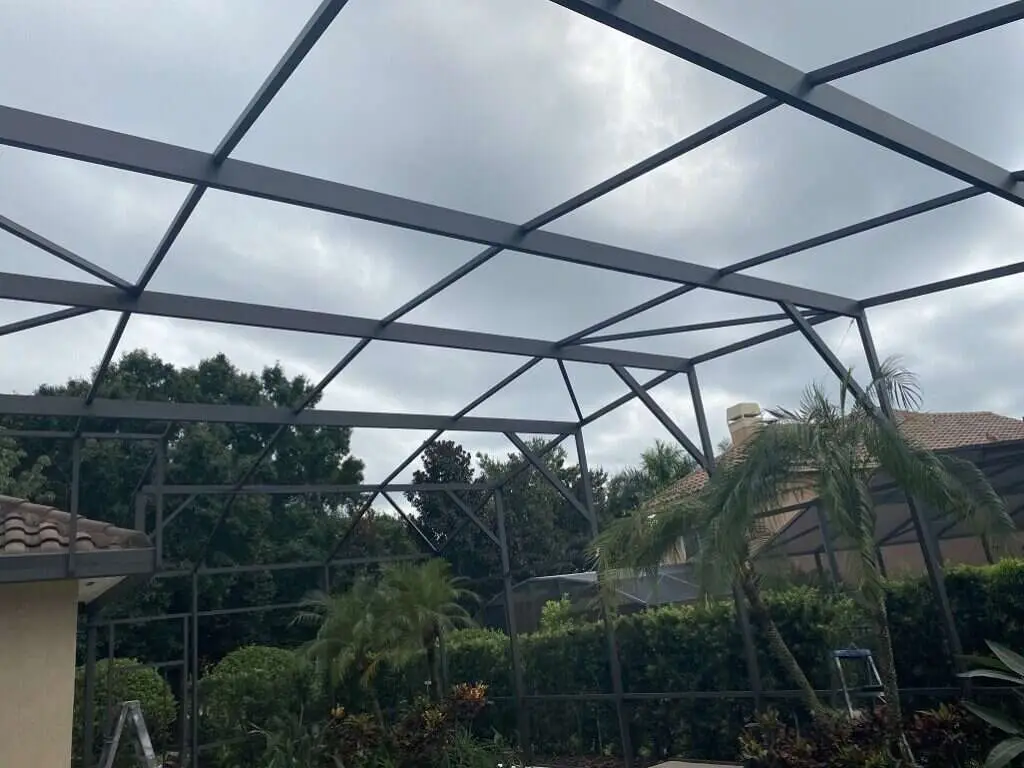

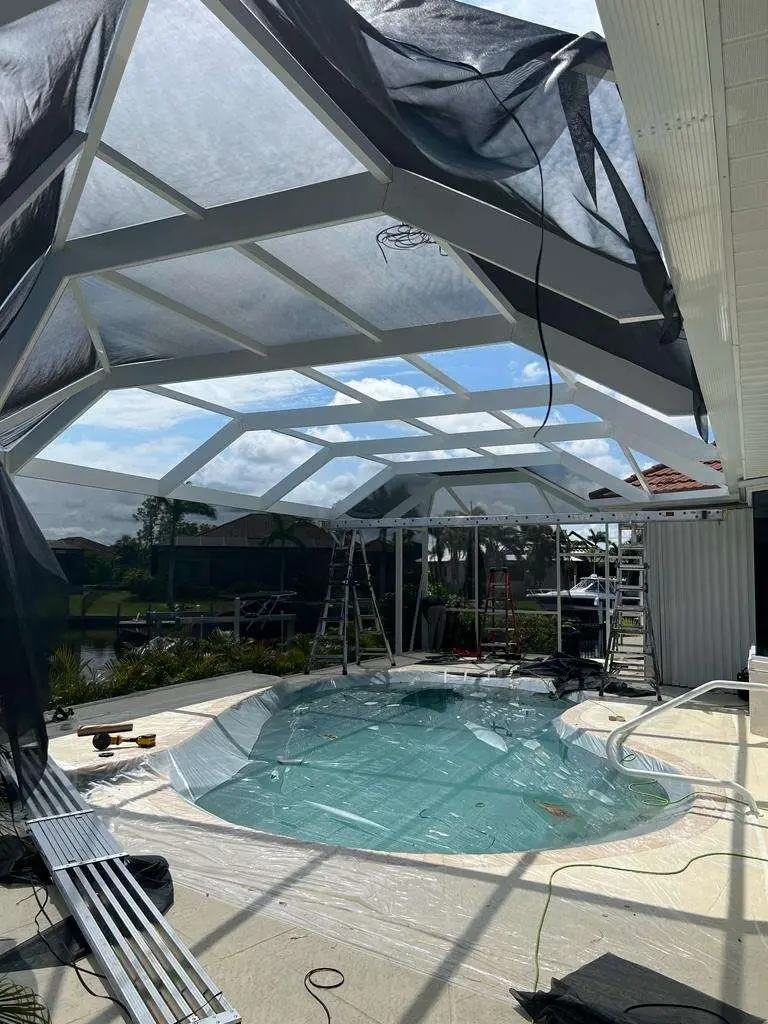
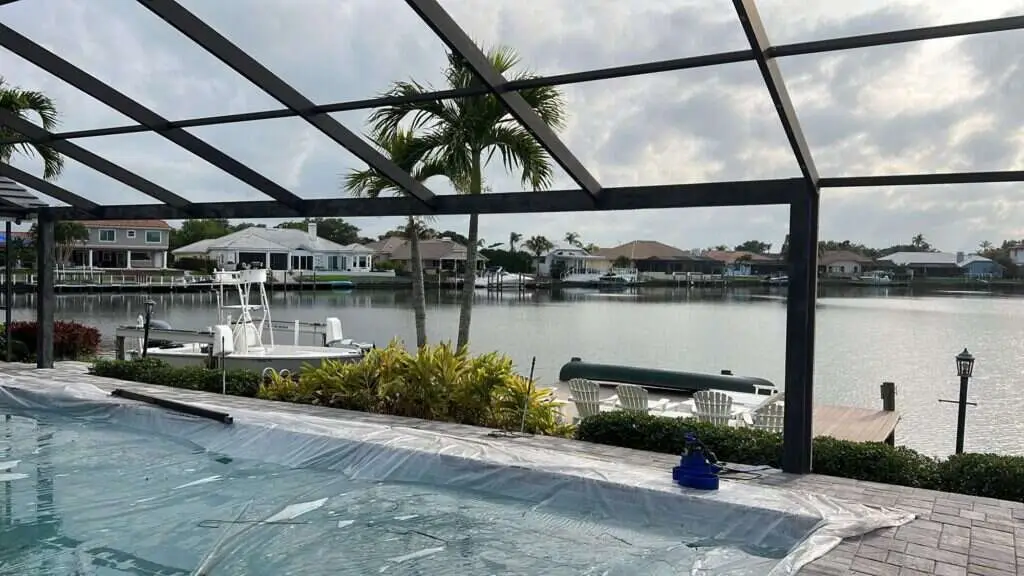
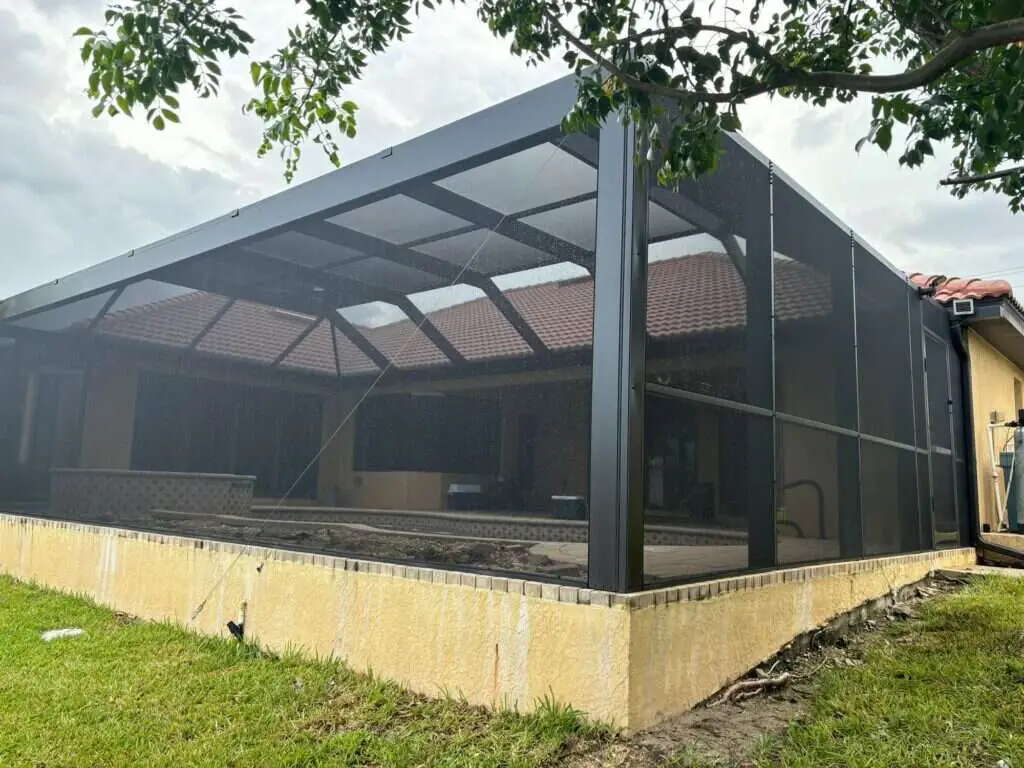
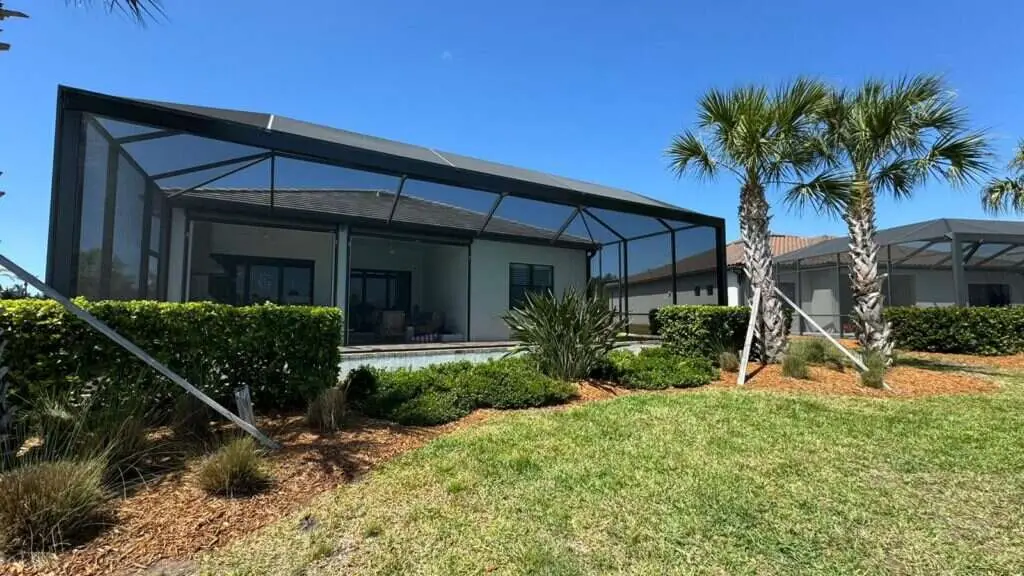
Request a St. Lucie County Estimate
Send a few photos of your pool cage along with the property address in St. Lucie County, and we will review the screen condition and frame before getting back to you. The reply you receive is a free written estimate, not a verbal guess, so you can compare it on your own timeline.
Last reviewed: November 6, 2026