
Pool Cage Rescreening in Seminole County, FL
We replace torn and sun-worn screen panels on pool cages throughout Seminole County, from Sanford to Winter Springs, matching mesh to each home's enclosure.
- Free Written Estimate
- Fast Scheduling
- Built for Florida Weather
- Licensed & Insured
- BBB A+ Rated
- 150,000+ Customers Served
- 283+ 5-Star Reviews
Request Your Free Estimate
Request a free written estimate for your Seminole County pool cage.
- Free No-Obligation Estimate
- Fast Response Times
- No Pressure Consultation
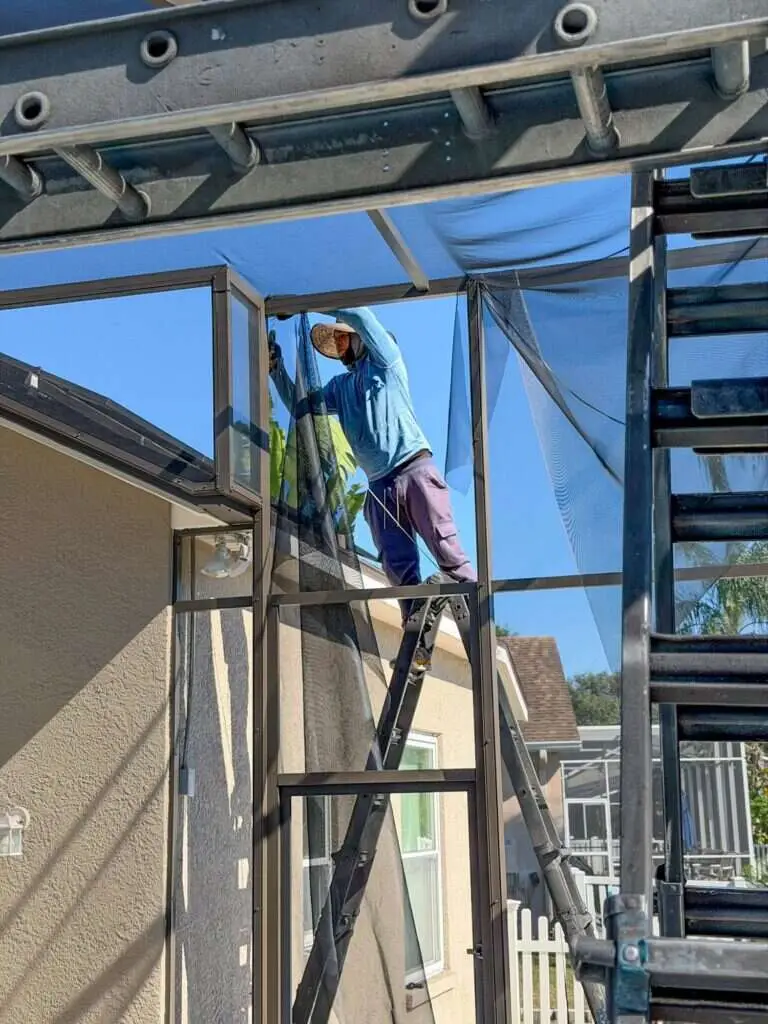
Seminole County sits in Central Florida’s lake district, where humidity, summer storms, and oak tree cover put steady stress on pool cage screens. Homes near Lake Jesup, the Wekiva River, and the county’s many spring-fed lakes deal with heavier dew and faster mildew growth on screen mesh than drier inland areas, which shows up as brittle, discolored panels years before the aluminum frame shows any wear.
We have worked on cages across Seminole County, from older screened lanais in Altamonte Springs and Casselberry to newer enclosures in Lake Mary and Oviedo subdivisions. Our crews route through the county by neighborhood cluster, assessing each cage’s frame condition, panel count, and mesh type before recommending a full or partial rescreen with a written estimate.
Screen Wear Across Seminole County Homes
Seminole County’s roughly 307,000 residents live across a mix of older platted neighborhoods and newer subdivisions, and cage age varies block by block. In Sanford’s historic districts and around Longwood, many enclosures date back decades, with screens well past their useful life even where the aluminum frame remains sound and paintable.
Tree canopy plays a large role in how fast screens fail. Oviedo and Winter Springs properties backing up to wooded lots or conservation areas see sap, pollen, and falling debris puncture mesh faster than open, sun-exposed lots in Lake Mary or Altamonte Springs. Casselberry and Forest City homes near retention ponds show similar mildew patterns from standing moisture.
Storm exposure adds another layer. Summer afternoon thunderstorms common across Central Florida drive wind-blown debris into panels, loosening spline and stretching mesh at the corners. We have worked on cages across Seminole County and typically see a combination of UV brittleness, small tears from branches, and sagging panels on the storm-facing side of the structure.
How We Rescreen a Pool Cage
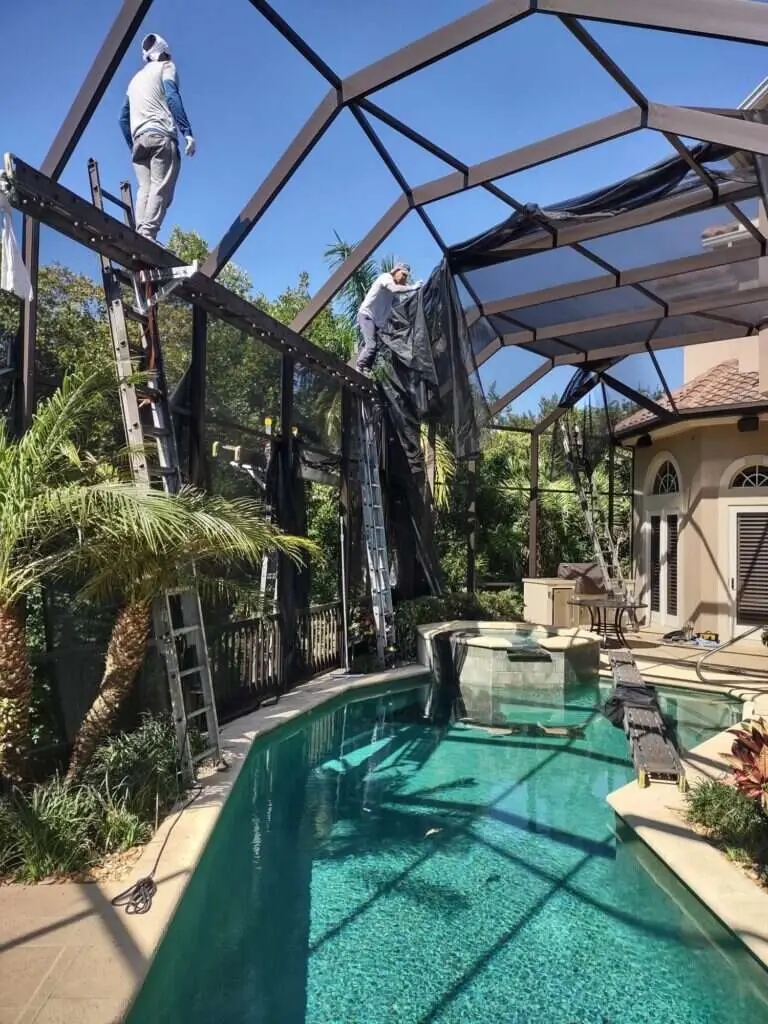
Every rescreen starts with a frame inspection. We check aluminum ribs, beams, and fasteners for corrosion or looseness before touching the screen, since rescreening a frame with structural problems wastes material. Where a panel has pulled away from the frame, we note it for repair or reinforcement before new mesh goes in.
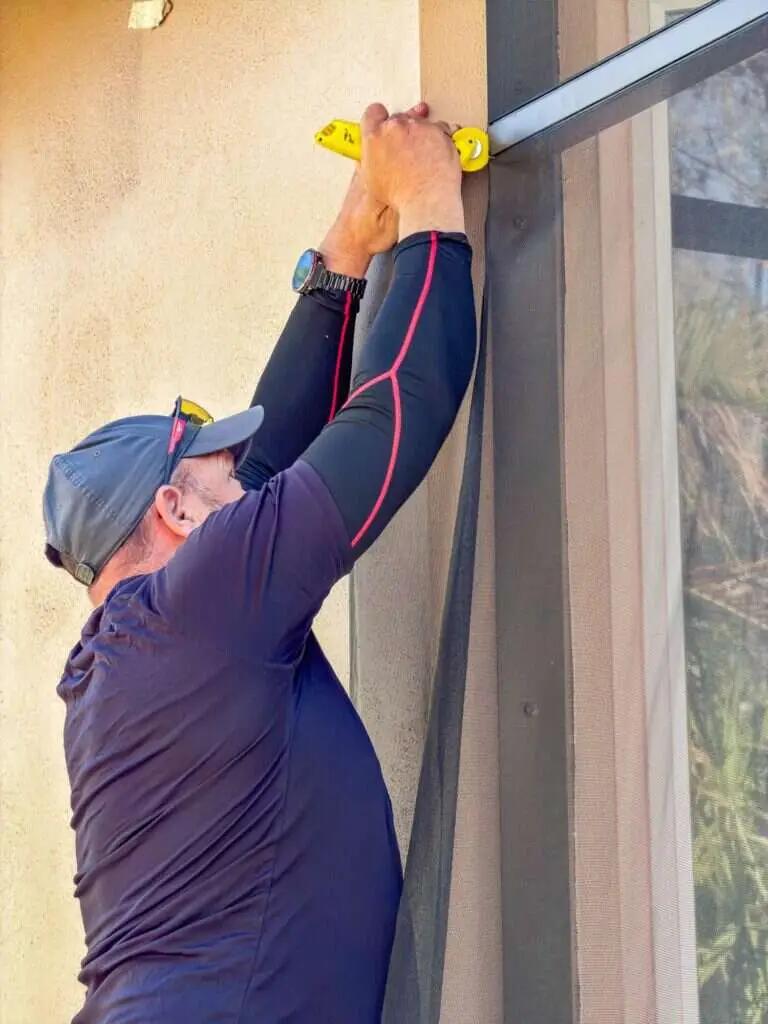
Old screen and spline are removed panel by panel, and each opening is measured individually rather than assumed uniform, since many Seminole County cages have settled slightly over the years. We offer standard charcoal or black fiberglass mesh for everyday use, and heavier no-see-um mesh for homes near wooded lots or water where small insects are more persistent.
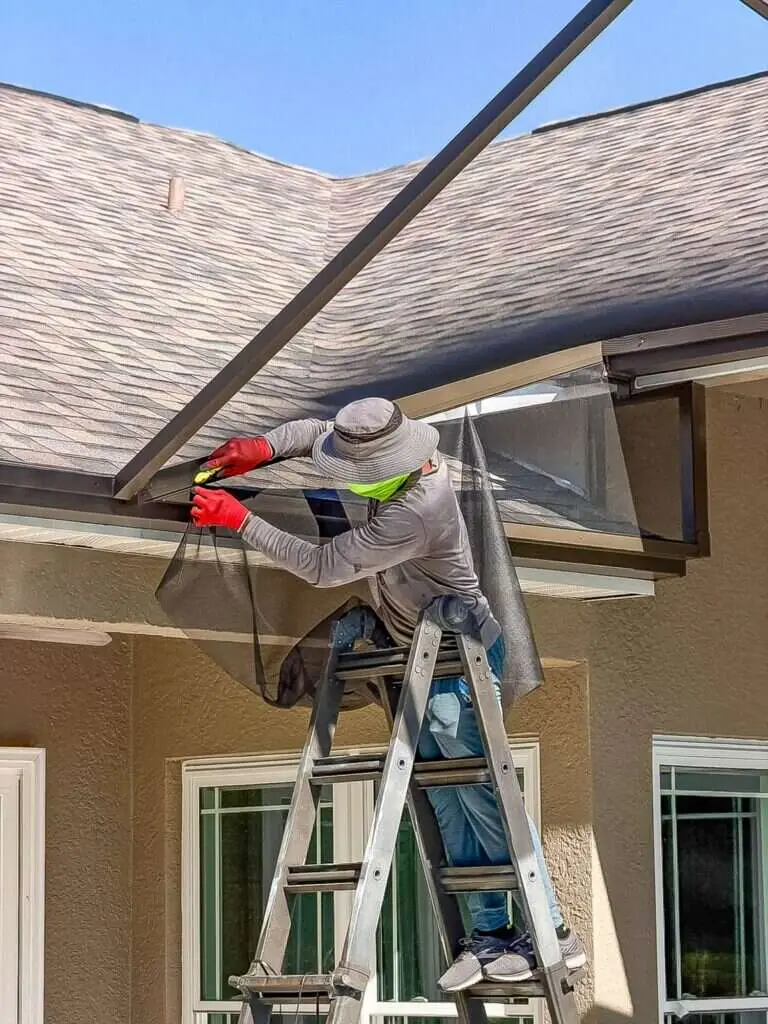
New mesh is cut with overlap, pulled taut, and secured with fresh spline sized to each channel, then trimmed clean. We work panel by panel around the full enclosure, including door screens and any pool cage sections over a lanai or patio, and check that doors still close and latch properly once the surrounding panels are tensioned.
- Frame and fastener inspection before rescreening begins
- Panel-by-panel measurement rather than uniform sizing
- Choice of standard or no-see-um mesh by location
- Fresh spline sized to each channel for a tight fit
- Final check of door alignment and latch function
Timelines, Access, and HOA Rules
Most rescreening jobs in Seminole County take one to three days depending on cage size and panel count, though summer afternoon storms common to Central Florida can push a job into a fourth day if screens need to go on dry. We schedule around that pattern rather than fight it, working mornings when possible across routes that may include stops in Lake Mary, Winter Springs, or Oviedo the same week.
Pool access is typically limited for part of a day while old screen is stripped and panels are reset, but the pool itself stays usable once spline work is finished on that section. Yards stay walkable throughout; we clear debris daily rather than leaving torn screen piled against lanai posts overnight.
Many Seminole County communities, including deed-restricted subdivisions in Longwood and Lake Mary and some HOAs in Oviedo and Winter Springs, require an architectural review form before rescreening, especially if mesh color or type changes. We can provide spec sheets on mesh weight and frame details for that paperwork, but the homeowner submits the request, and approval timing varies by association and should be built into the project schedule.
- One to three days typical; weather can extend this
- Pool usable once screen panels in that area are complete
- HOA approval forms often needed in deed-restricted communities
- Debris removed daily, not left until project end
Mistakes That Shorten Screen Life
The most common issue we find on older Seminole County cages is mismatched mesh weight: a previous rescreen used standard fiberglass on a cage near a lake or open retention pond where heavier pet-resistant or no-see-um mesh would have held up better against wind load and debris. Matching mesh to the cage’s exposure matters more than matching it to what was there before.
Poor spline tension is the second recurring problem. Screen installed with spline pressed in loosely looks fine at first but works free within a season, starting at corners and panel tops. We also see rescreening done over frames with active corrosion or bent ribs, which pulls new screen tight against a damaged edge and tears it early. Addressing the frame first, even if it adds a day, is what makes a rescreen last.
- Mismatched mesh weight for the cage’s wind and debris exposure
- Loose spline tension that fails at corners within months
- Rescreening over corroded or bent frame members without repair first
- Skipping fastener checks during the rescreen
Process and Timeline
- Inspect the frame, fasteners, and existing screen condition panel by panel.
- Confirm mesh type and weight based on the cage’s location and exposure, including proximity to lakes, wooded lots, or open fields found in parts of Seminole County.
- Remove old screen and spline, repairing or replacing any damaged frame sections before new material goes in.
- Install new screen with properly seated spline, working panel by panel to maintain even tension.
- Clean the cage of installation debris and walk the site with the homeowner to review the finished work.
- Provide a written summary of materials used for HOA or personal records if requested.
Most Seminole County rescreening projects run one to three days depending on cage size, access, and weather.
Communities We Serve in Seminole County
Pool Cage Rescreening throughout Seminole County, including Sanford, Altamonte Springs, Oviedo, Winter Springs, Casselberry, Wekiwa Springs, Lake Mary, Longwood, Forest City, Fern Park, Heathrow, Geneva, Chuluota, Midway, Lake Monroe.
Seminole County Pool Cage Rescreening FAQ
How long does pool cage rescreening take for a typical Seminole County home?
Most single-panel homes in the area are finished in one day, while larger lanais or two-story pool cages common in newer Lake Mary and Oviedo developments can take two to three days. Weather delays are factored in during Central Florida's summer storm season.
What screen mesh holds up best against Seminole County's humidity and oak pollen?
Charcoal fiberglass mesh is the most common choice because it resists the mildew that builds up in shaded, humid yards and wipes clean of oak pollen and tree debris more easily than vinyl-coated screens. No-see-um mesh is available for homes near wooded lots in areas like Wekiwa Springs where smaller insects are more of a problem.
Do HOAs in communities like Lake Mary or Winter Springs require approval before rescreening?
Many planned communities in Lake Mary, Winter Springs, and similar Seminole County neighborhoods have architectural guidelines covering screen color and mesh type, so it is worth checking your HOA documents before work begins. We can match existing frame color and mesh specifications to keep the work consistent with what was originally approved.
Can you rescreen just a few damaged panels instead of the whole cage?
Yes, panel-by-panel rescreening is common and is often the right approach when only a section has torn or sagged, such as panels facing a storm-exposed side of the house. We match the existing mesh type and color so repaired sections blend in with the rest of the enclosure.
Will rescreening fix a frame that is already bent or rusted?
Rescreening addresses the mesh, not structural damage to the aluminum frame, so a bent rib or corroded fastener needs to be repaired or replaced first. During the estimate we check the frame condition and point out any structural issues before quoting the screen work.
How soon after a storm should a torn pool cage screen be repaired?
It is best to schedule repairs within a few weeks of storm damage, since open panels let debris, rain, and pests into the pool area and can stress neighboring screens as they flap in the wind. After a widespread event affecting Central Florida, scheduling can take longer, so earlier calls tend to get earlier appointments.
More Pool Cage Services in Seminole County
If your cage also needs attention beyond new screen, we offer additional pool cage services in Seminole County worth asking about during your estimate. Pressure Washing and Pool Cage Painting.
Nearby Areas We Also Serve
Crews routing through Seminole County also take on rescreening work in the surrounding Central Florida communities nearby. Orange County, Volusia County, St. Lucie County, Indian River County and Polk County.
Statewide details, colors and the full process are on our main pool cage rescreening page.
Recent Work
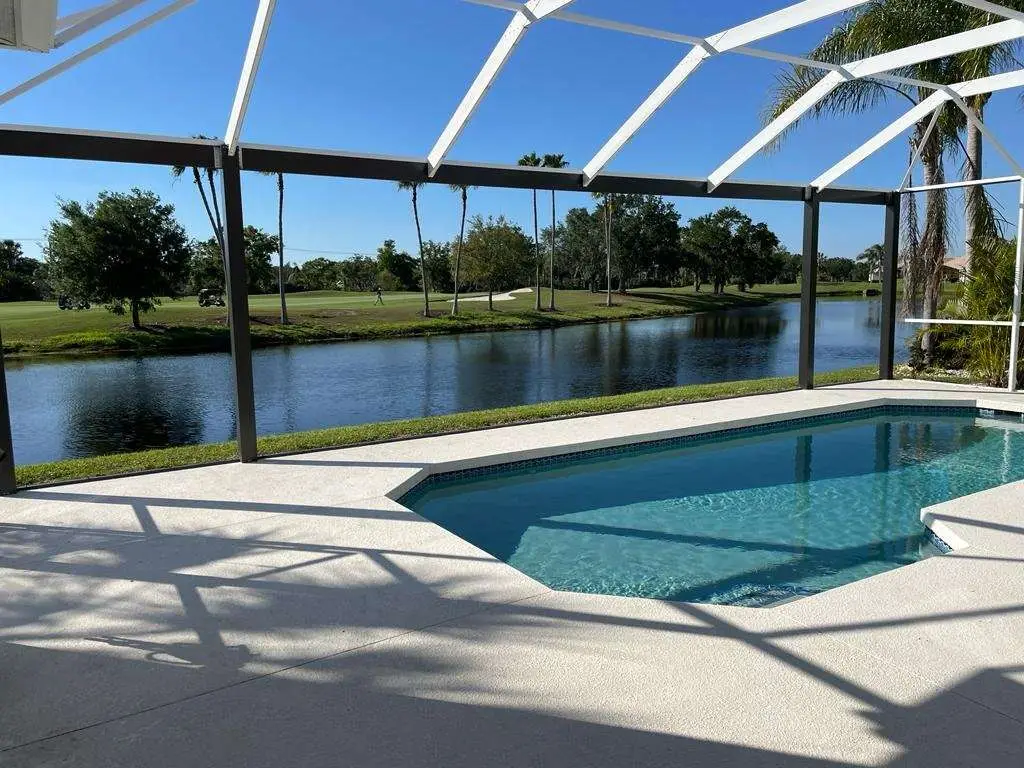
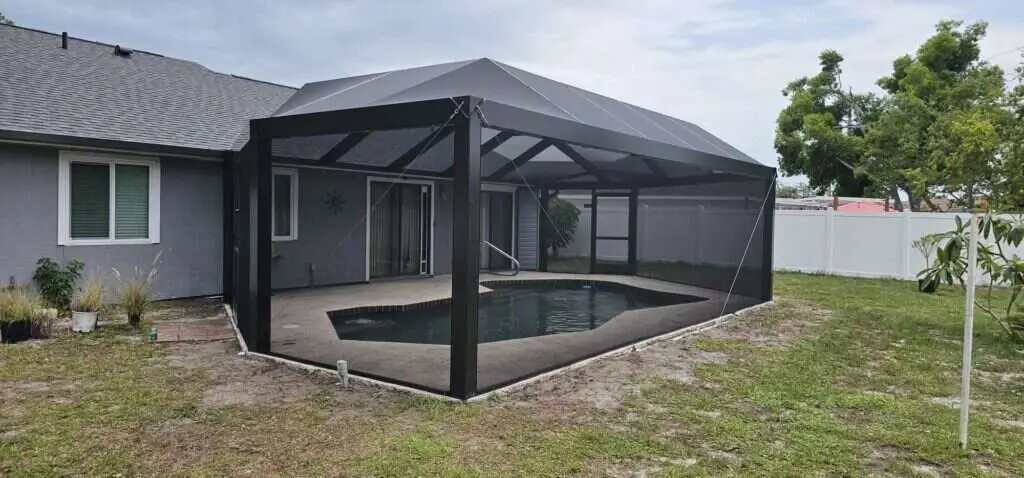
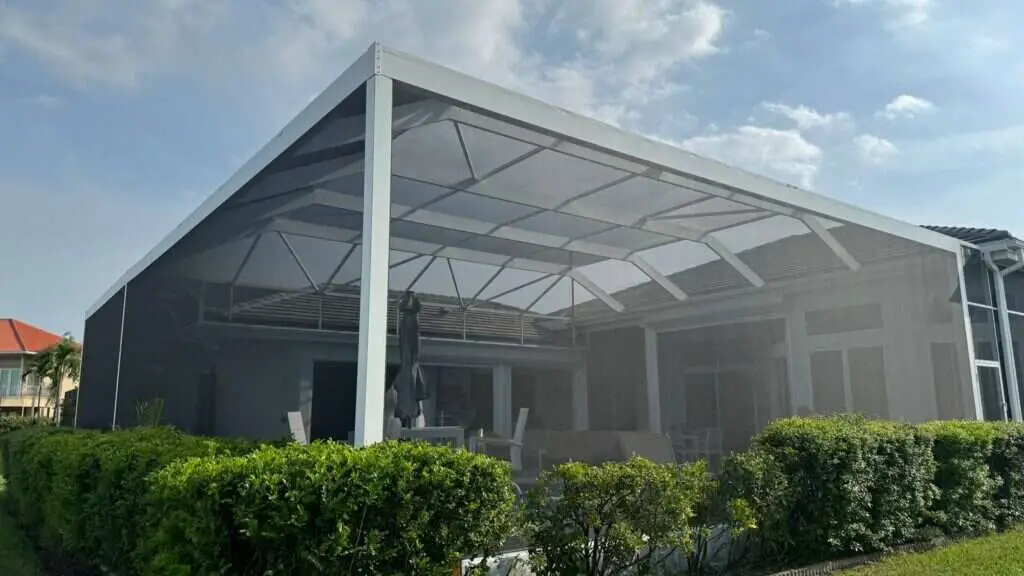
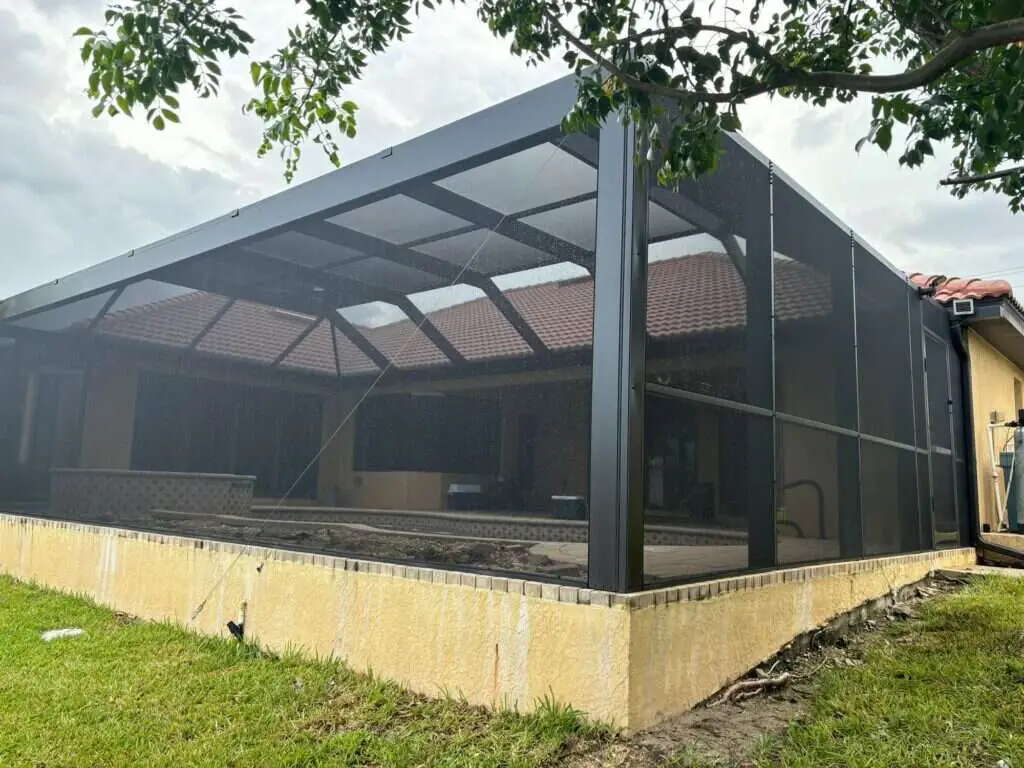
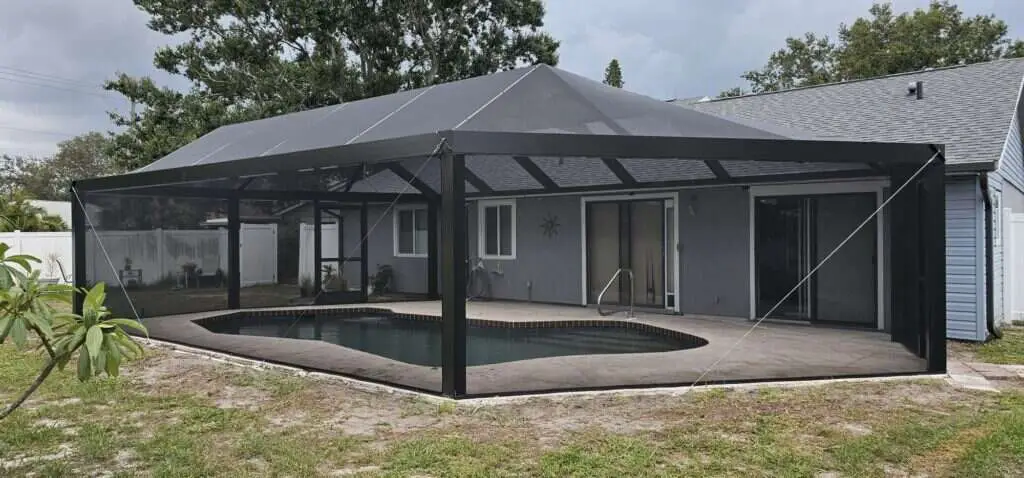
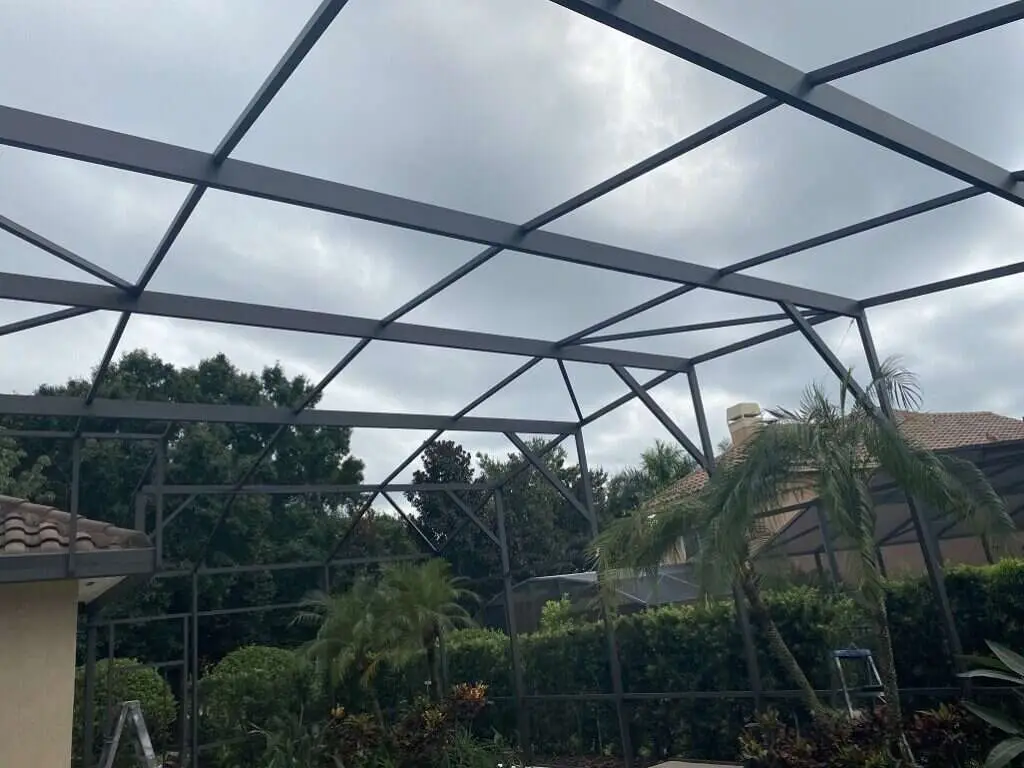

Request a Seminole County Estimate
Send a few photos of your pool cage along with the property address in Seminole County, and we will review the mesh, panel count, and frame condition before replying. Every response includes a free written estimate with no obligation to schedule.
Last reviewed: November 7, 2026